Kisii under colonial administration
Ebunge ria abanyangi
Hut tax, porterage, and the 1908 resistance — how colonial rule pressed into the Gusii highlands, and how local leaders negotiated it.
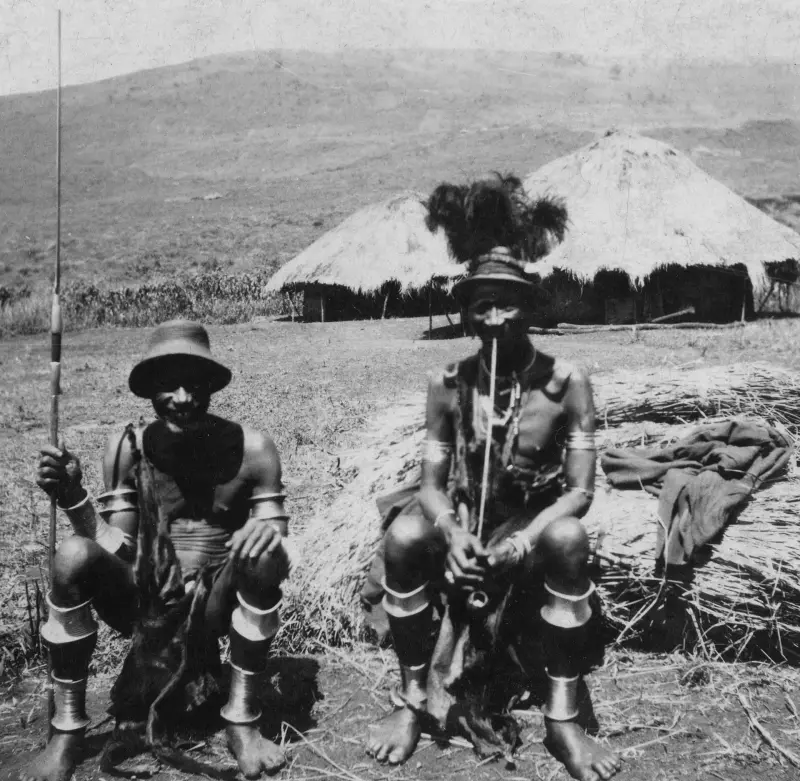
British administration reached the Gusii highlands around 1907–1908 with the establishment of a station at Kisii. Colonial demands — hut tax, labour for roads and porterage, and livestock — fell on a densely populated farming community with no chiefs in the centralised sense: authority sat with clan elders and councils such as the one photographed as the "Kisii native parliament".
The 1908 confrontation in which the warrior Otenyo Nyamaterere wounded a British officer — and was himself killed — became the region's defining early encounter with imperial force. Reprisals and forced labour followed; so did a gradual incorporation into the money economy through taxation and migrant labour.
Colonial records, archived today in Nairobi and London, describe the district mainly through an administrative lens. Local memory preserved by elders tells the same decades differently — as loss, adaptation and quiet resistance. Presenting both is part of this museum's documentation work.
Related articles
Otenyo Nyamaterere: Gusii resistance to colonial rule
In the early 1900s the Gusii fought British colonial expansion. Otenyo Nyamaterere became the most famous resistance leader — and his execution in 1908 became a symbol of Gusii defiance.
Mission schools arrive: education in early Kisii
Seventh-day Adventist missionaries opened the first schools in Gusii country from 1912 — and within a generation the Abagusii were among Kenya's most school-going communities.
Learn this in person
Visit our centre or book a school programme in Kisii.