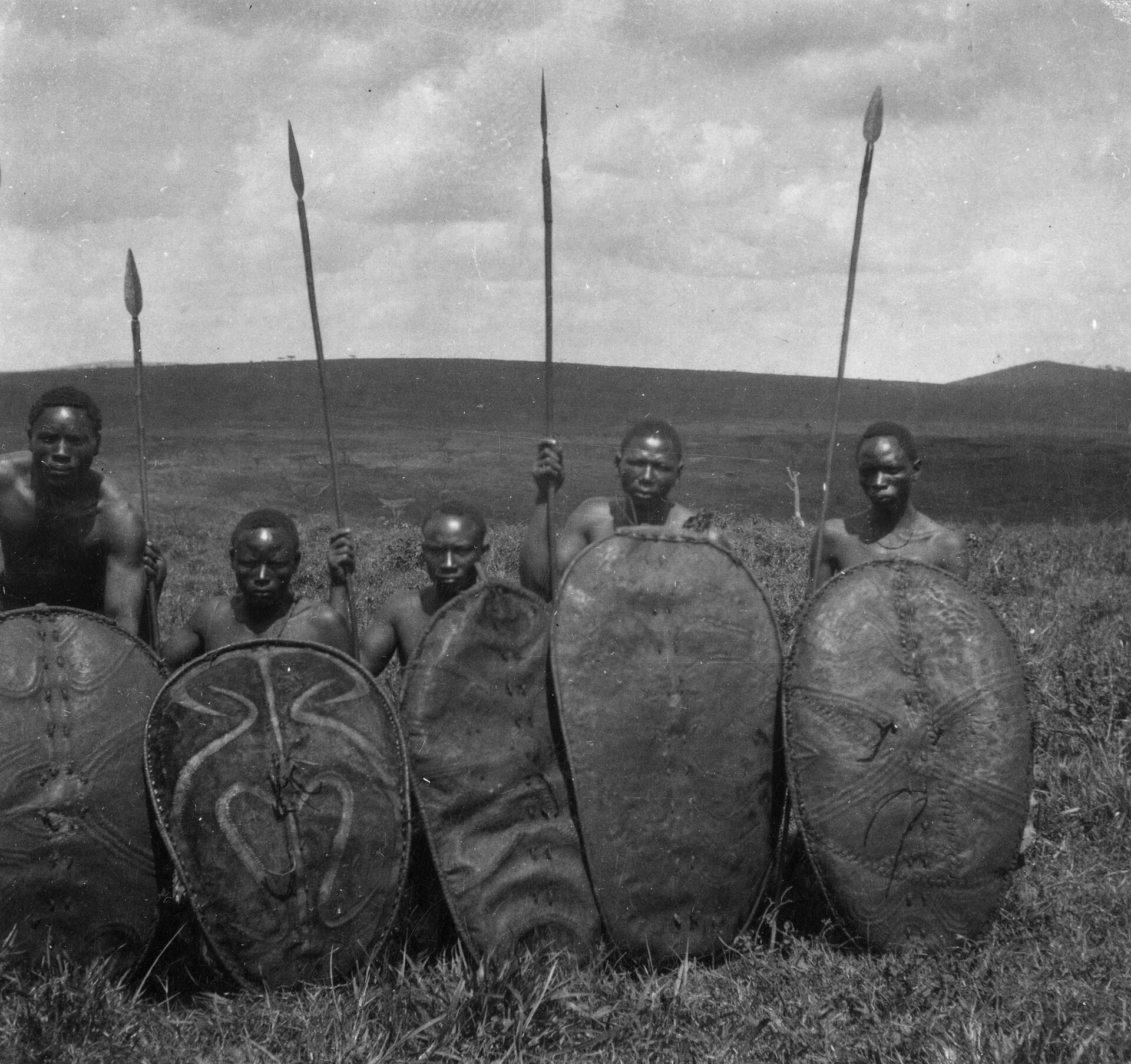
Who are the Abagusii? Identity and origins
The Abagusii (Gusii) are a Bantu-speaking people of Kenya's southern highlands, centred on Kisii County. Their name link…
Ethnographic recordResearch reviewed
Try: “obokano”, “soapstone”, “Ekegusii”, “matoke”, “homestead”.
Heritage Knowledge Base
Explore the history, language, crafts, food, music and traditions of the Abagusii — documented with sources, verified where possible, and reviewed by community knowledge-holders.
Abagusii identity, names, origin traditions and the story of Mogusii
ExploreMigration, settlement, pre-colonial society, the colonial period and modern Kenya
ExploreFamily, kinship, clans, elders, leadership and community life
ExploreThe Gusii language: dialects, vocabulary, proverbs, sayings and learning resources
ExploreNaming, birth, initiation, marriage, family celebrations and remembrance — documented respectfully
ExploreTraditional dress, beadwork, skins, ornaments and contemporary cultural fashion
ExploreInstruments such as the obokano, songs, dances and performance traditions
ExploreStaple crops, indigenous vegetables, traditional foods, farming knowledge and food preservation
ExploreSoapstone carving, basketry, pottery, blacksmithing, woodcraft and everyday objects
ExploreThe traditional homestead, house forms, granaries and settlement patterns
ExploreProverbs, moral teachings, respect, hospitality and indigenous knowledge
ExploreModern Abagusii identity, diaspora, language use, arts and cultural continuity
ExploreCultural personalities, scholars, artists, leaders and preservationists
Explore
The Abagusii (Gusii) are a Bantu-speaking people of Kenya's southern highlands, centred on Kisii County. Their name link…
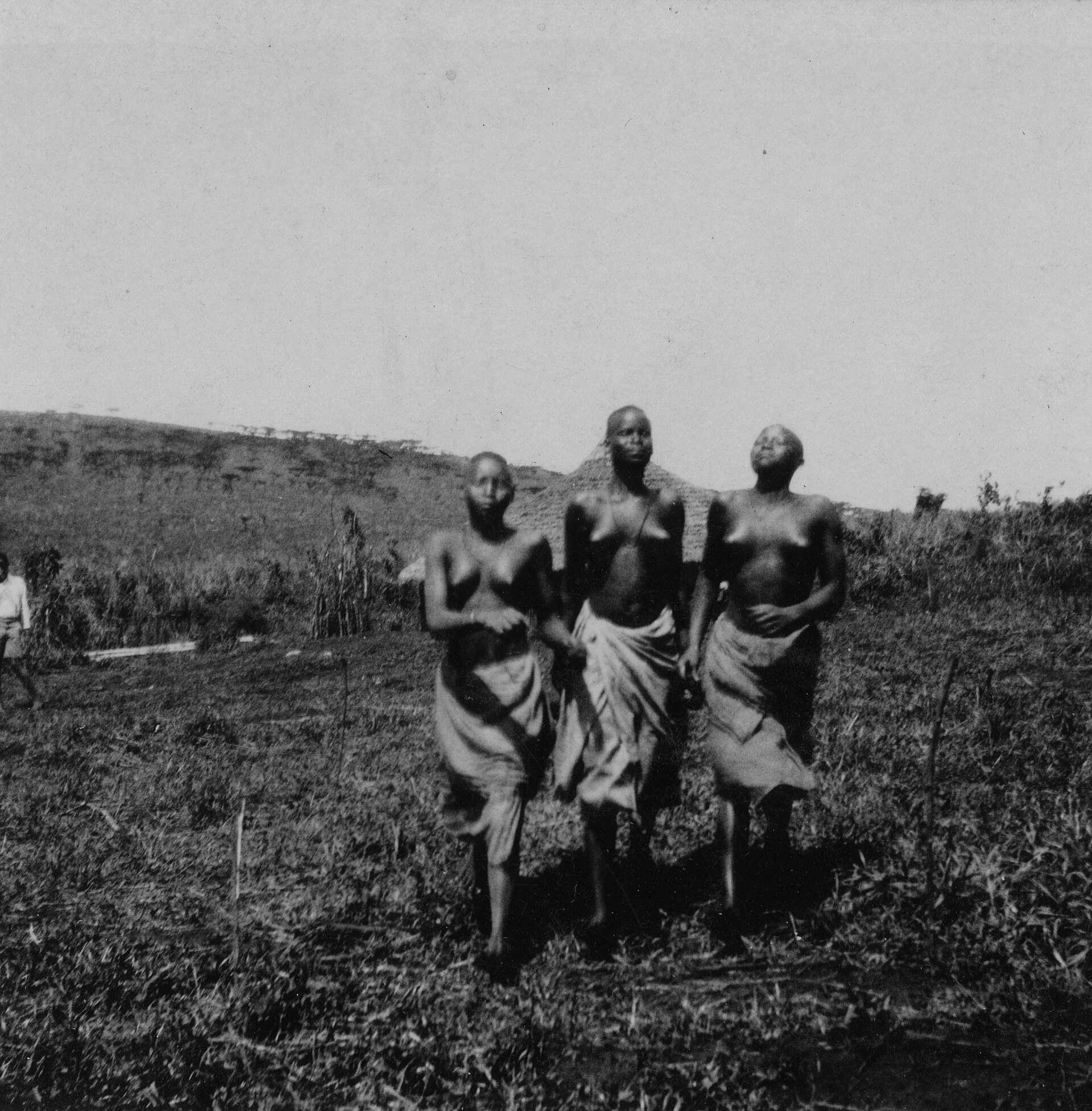
Ekegusii is the Bantu language of the Abagusii — also called Ekisii or Gusii. It is a Central Bantu language with its ow…
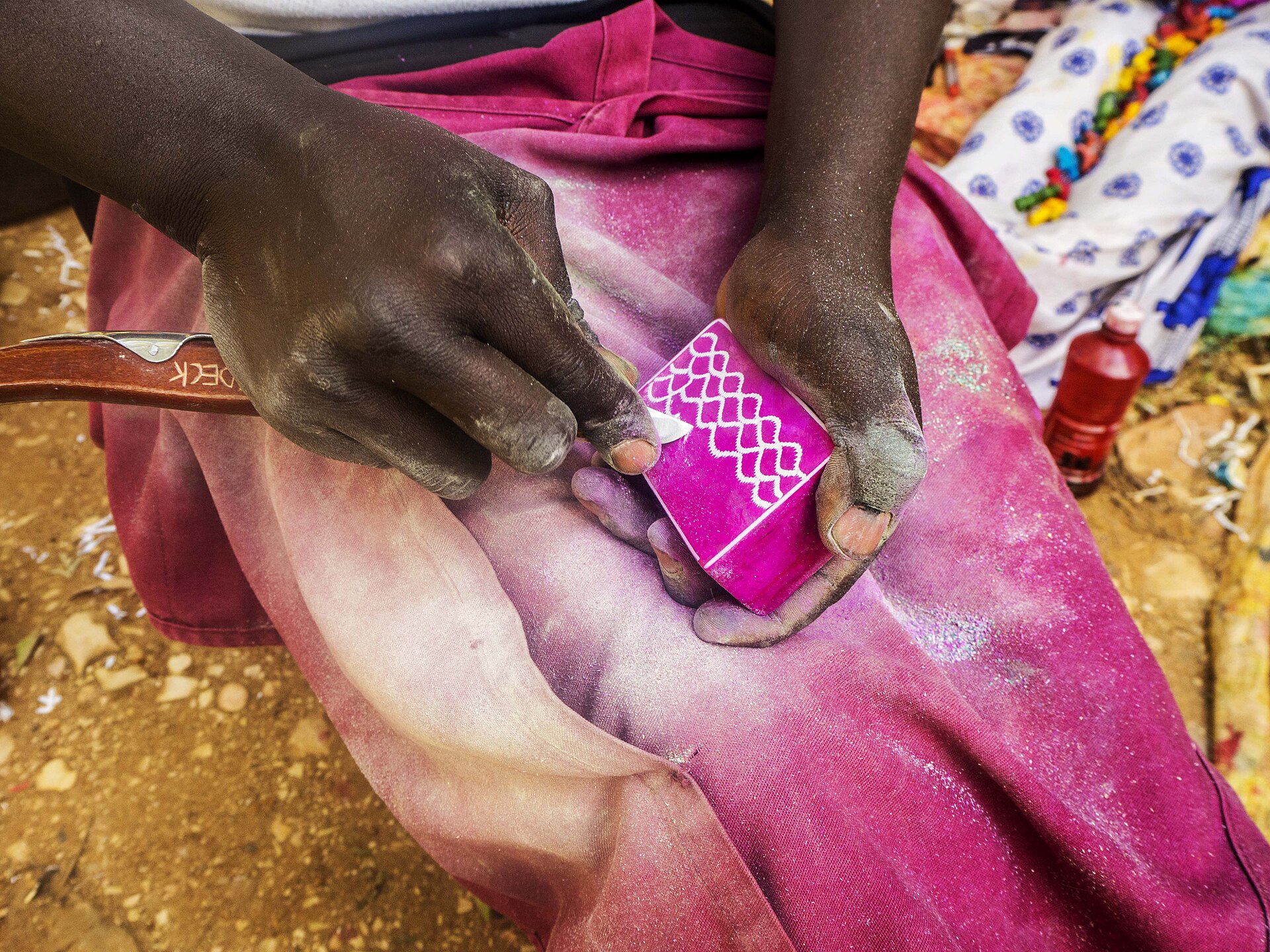
The village of Tabaka in Kisii County has produced soapstone (steatite) carvers for generations — from utilitarian items…

The obokano — a five-to-seven-stringed bowl lyre — is the signature instrument of Gusii music, accompanying songs of pra…
Contemporary Culture · 5 Nov 2026
Abagusii culture is neither frozen in the past nor lost — it is being renegotiated daily through language, food, crafts, music and ceremony in homes, schools and the marketplace.
Values & Wisdom · 5 Nov 2026
Gusii proverbs compress generations of observation into short, metaphor-rich statements — teaching, arguing, comforting and rebuking in a single line.
Ceremonies & Life Cycle · 5 Nov 2026
Gusii life was marked by carefully staged ceremonies — birth, initiation, marriage and death — each governed by clan obligations, ritual specialists and community participation.
History · 5 Nov 2026
In the early 1900s the Gusii fought British colonial expansion. Otenyo Nyamaterere became the most famous resistance leader — and his execution in 1908 became a symbol of Gusii defiance.
Food & Agriculture · 5 Nov 2026
Gusii agriculture centred on finger millet and sorghum grown on the highland ridges, eaten as ugali with indigenous vegetables and relishes. Traditional foods carry deep cultural meaning.
Architecture & Settlement · 5 Nov 2026
The traditional Gusii homestead (omochie) was more than a house — it was a kin-ordered space where marriage, age and gender determined who slept where and how the family related.
Content on this site is reviewed with Abagusii elders, artisans, teachers and cultural practitioners.